
Your Local Plumber for Pierce County & South King County
Andy's Plumbing & Drain is a local plumbing company built around familiar service, clear communication, and no surprise fees. We serve homeowners across Pierce County and South King County with drain cleaning, water heaters, sewer inspections, leak repairs, repipes, and everyday plumbing repairs.
A plumbing company that remembers your home.
Serving Bonney Lake, Sumner, Lake Tapps, Buckley, Auburn, Puyallup, South Hill, Edgewood, Tacoma, Federal Way & surrounding Pierce / South King counties.
What Makes Andy's Different
Andy's is built so customers aren't treated like one-off tickets. We keep records on your home, send plumbers who know our standards, and aim to give you the same familiar service every time. The brand is the trust — Andy stands behind every name on the truck.
A Familiar Plumber From Our Team
We keep records on your home, your plumbing, and what's already been done. When you call back, we aim to send the same plumber whenever scheduling allows — and either way, the plumber who shows up knows what's going on at your house.
Vetted, Local Team
Every plumber on Andy's truck is hand-picked, background-checked, and trained to one standard. Locally owned. Small on purpose. Not a corporate or private-equity shop.
No Surprise Fees
Free estimates. No trip charges. No emergency upcharges. Flat-rate, told to you before we start. We don't pile surprise fees on top of a problem you didn't ask for.
Real People Answer
Not a call center. Not a phone tree. Call, text, or send a message — you get a real person who can actually help and tell you when we'll be there.
Three Steps. No Games.
From the call to the fix. Here is how every job goes.
Call, Text, or Send a Message
Real person answers. Send the form and we call you back same business day. We ask what's going on, give you a likely cause, and send the right plumber from our team.
Free On-Site Estimate
A plumber from Andy's shows up in our truck, looks at the actual problem, and quotes a flat-rate price. No trip charge. No pressure.
Familiar Service. Every Time.
You decide. We fix it. We log what we did at your home so the next visit picks up where this one left off — same standards, same records, same familiar service.
How Andy's Treats Your Home
We don't treat customers as one-off tickets. We keep records on your home and aim to send a familiar plumber from our team every visit.
You Call. We Listen.
You tell us what's going on, where you are, what your home is like. We log it, look at availability, and send the right plumber from Andy's team.
We Show Up. We Learn Your Home.
The plumber arrives, does the work, and notes what your home has — the water heater, the supply lines, the quirks. It's all logged so any future visit picks up where this one left off.
Next Time, You Get Familiar Service.
When you call again, we have your records. Whenever scheduling allows, we aim to send the same plumber back. Either way, the plumber at your door already knows your home, not a stranger starting from zero.
Andy's Whole Home Plan
For homeowners who want the relationship locked in. Sign up and we lock in priority scheduling, the same familiar plumber whenever the schedule allows, an annual whole-home plumbing check, and member-only pricing on bigger jobs.
- Same familiar plumber whenever scheduling allows
- Priority scheduling, ahead of non-members
- Annual whole-home plumbing check
- Member pricing on water heaters, repipes, sewer work
- Direct line to Andy's, no phone tree
Not a member? You still get familiar service from Andy's by default — the membership just locks in priority and adds the perks.
The Andy's Promise
You get a local plumbing company, not a phone tree. Andy's keeps records on your home and aims to send a familiar plumber from our team every visit. Free estimates. No trip charges. No emergency upcharges. Flat-rate pricing told to you before we start. We arrive in uniform, with shoe covers, explain your options, and clean up when we leave. No surprise fees, ever. If you don't like the price, you don't pay anything for us showing up.
Plumbing, Drain & Sewer Service for Pierce & South King County
Everything from a slow drain to a whole-home repipe. Same plumber. Flat-rate. No surprises.

Drain Cleaning
Clogged sinks, tubs, showers, toilets, and main lines. Recurring drain issues diagnosed and cleared.
Learn more →
Sewer Camera & Sewer Line Repair
Camera inspections, sewer diagnostics, broken lines, roots, bellies. Spot repair, full replacement, or trenchless.
Learn more →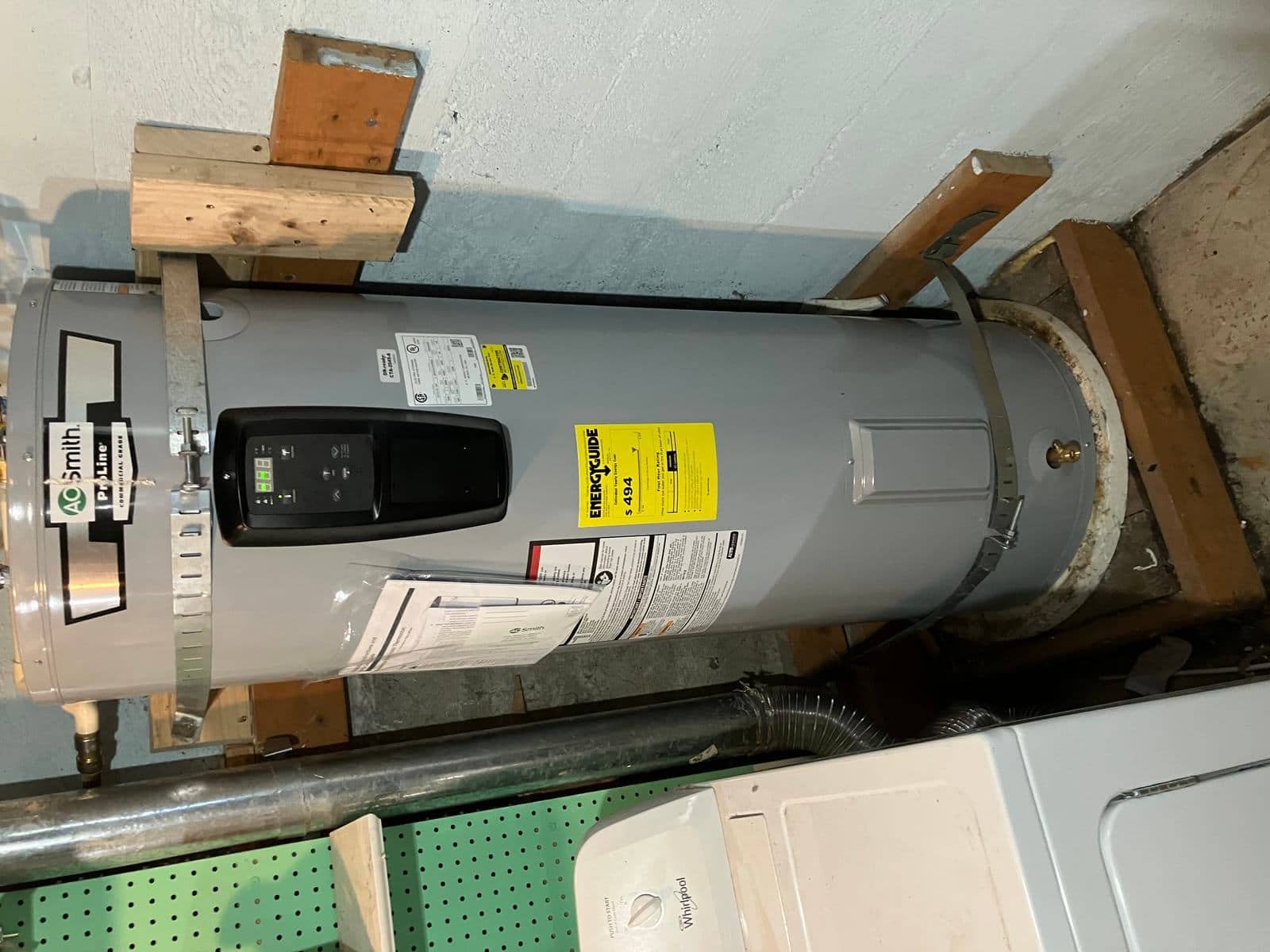
Water Heaters
Standard tank, hybrid, tankless. Replacement, repair, code upgrades, and maintenance. Same-day install often available.
Learn more →
Leak Detection & Pipe Repair
Active leaks, hidden leaks, water line issues, fixture leaks, and emergency shutoff support.
Learn more →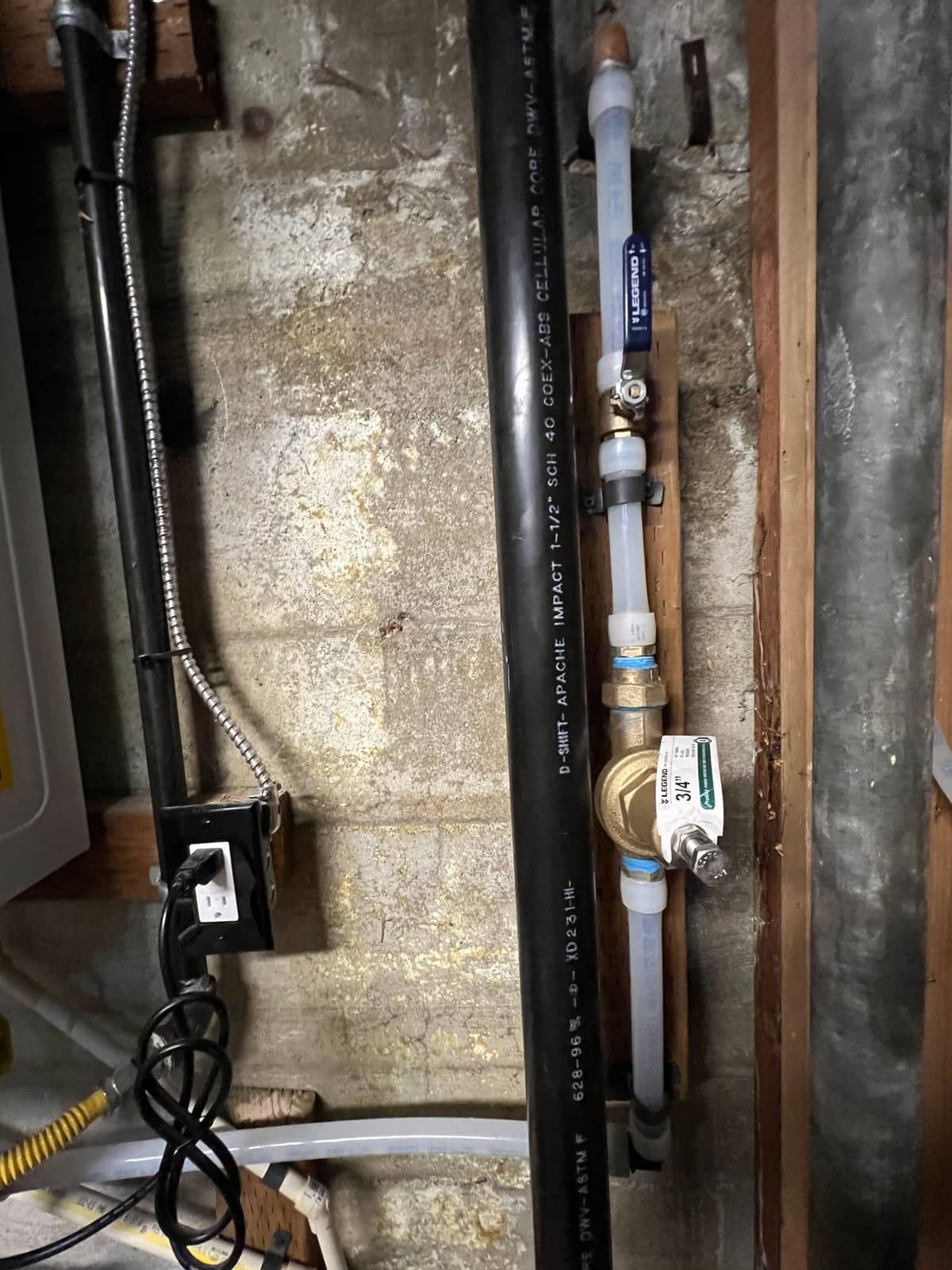
Repipes & Water Lines
Whole-home repipes, partial repipes, main water line replacement, galvanized swap-outs, and pressure issues.
Learn more →
Toilets, Faucets & Fixtures
Everyday plumbing repairs and installs. Toilets, faucets, shutoff valves, disposals, and fixture upgrades.
Learn more →Real Work. Local Homes.
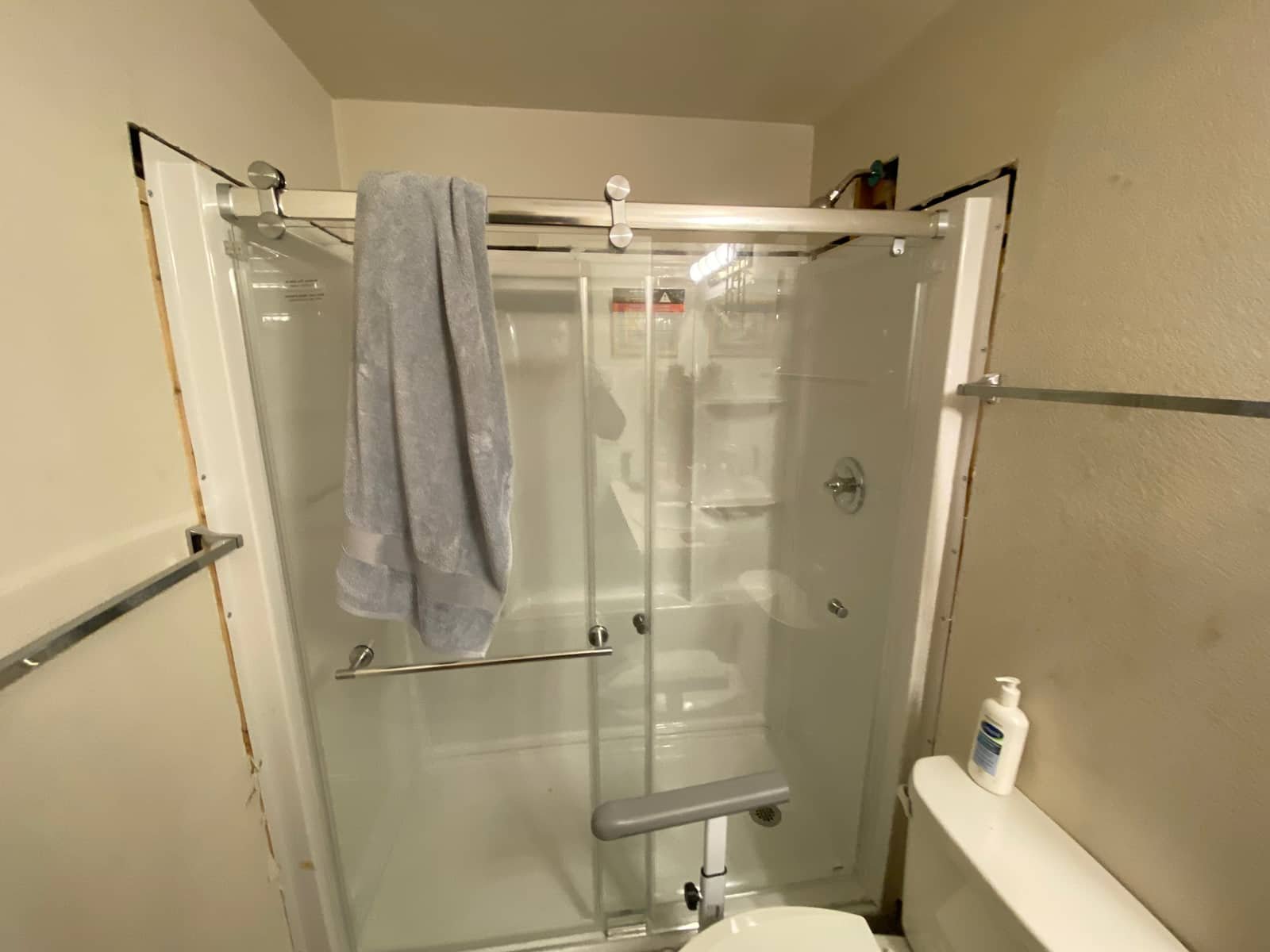
Photos from actual Andy's Plumbing & Drain jobs across Pierce and South King counties.
Real Reviews. Local Homeowners.
Pulled from real Google and Thumbtack reviews. See all 26 on our reviews page.
"Andy was so professional yet he felt like family. No upselling. He was open to our schedule, he was punctual. And was done in under two hours. Very fair price."
"Andy was fantastic! His honest advice and assessment helped me save money. He came out same day, didn't try to make it complicated, stuck to the truth, gave a clear action plan, and even advised on how this could be fixed myself if needed. Loved the honesty!"
"Andy was amazing! Came out less than 24 hours after I put in a request. Not only was Andy extremely professional, he fixed all of my issues while on site and provided me so much additional info about things in my new house that I had no clue about."
Behind Andy's
A Plumbing Company That Remembers Your Home.
Andy's was started by a licensed Washington plumber who was tired of customers being treated as numbers and plumbers being treated as interchangeable. The model is simple: Andy's keeps records on every home we serve, sends plumbers who know our standards, and aims to give every customer the same familiar service every visit. The brand stands behind every plumber who wears Andy's on their shirt.
Service Areas Across Pierce & South King
Same plumber every visit, no matter which city you're in. Click your city for local plumbing details.
Bonney Lake
Sumner
Lake Tapps
Buckley
Auburn
Puyallup
South Hill
Edgewood
Tacoma
Federal Way
Graham
See All Areas
Ready to Get It Handled?
Pick whatever works. Real person on the other end. Same-business-day callback either way.
Questions Local Homeowners Ask
If your question isn't here, just call. Real person answers.
Our goal is to send the same plumber whenever scheduling allows. Either way, Andy's keeps records on your home — your plumbing layout, what's been done, your preferences — so any plumber on our truck shows up already knowing what's going on at your house. No call-center routing. No starting from zero every visit.
Hand-picked, background-checked, locally based plumbers Andy has personally screened and trained to one standard. Anyone wearing Andy's on their shirt has been through that process. The brand stands behind every plumber on our trucks.
Andy's Whole Home Plan. Sign up and we lock in priority scheduling, the same familiar plumber whenever scheduling allows, an annual whole-home plumbing check, and member pricing on bigger jobs. Coming soon. Not a member? You still get familiar service from Andy's by default — the membership just locks in priority and adds the perks.
Yes. Estimates are free. We come out, look at it, and tell you the flat-rate price. You decide. No pressure. No charge to find out.
No. No trip charge anywhere in our service area. We come, we look, we quote. If you choose not to do the work with us, you owe us nothing for showing up.
No. No emergency fees, ever. Same flat rate at 2 AM Sunday as 2 PM Tuesday. We don't pile surprise fees on top of a problem you didn't ask for.
Yes. Andy is a licensed plumber in Washington State. We carry the proper insurance and pull permits when the job requires them.
Most non-emergency calls in our core service area get same-day or next-day appointments. Emergencies (burst pipe, no water, sewer backup) are first priority and we run them as fast as we can.
Flat-rate, told to you up front, before we start. You will not get a surprise bill. If we open something up and find a bigger problem, we stop, show you, and re-quote before we proceed.
Bonney Lake (HQ), Sumner, Lake Tapps, Buckley, Auburn, Puyallup, South Hill, Edgewood, Tacoma, Federal Way, and surrounding Pierce and South King counties. If you are close, call and we'll let you know.
Standard hours are weekdays 8 to 5. We do emergency calls outside those hours, and we do not charge extra for them.
Yes. For larger jobs (water heater replacement, repipes, sewer line repairs), we offer buy-now-pay-later financing through Klarna. We point you to it after we quote the work.
Ready When You Are.
Free estimate. Familiar service from a plumber who knows your home. No surprise fees. Call, text, or send a message and we'll call you back same business day.