
Signs Your Home Needs a Repipe
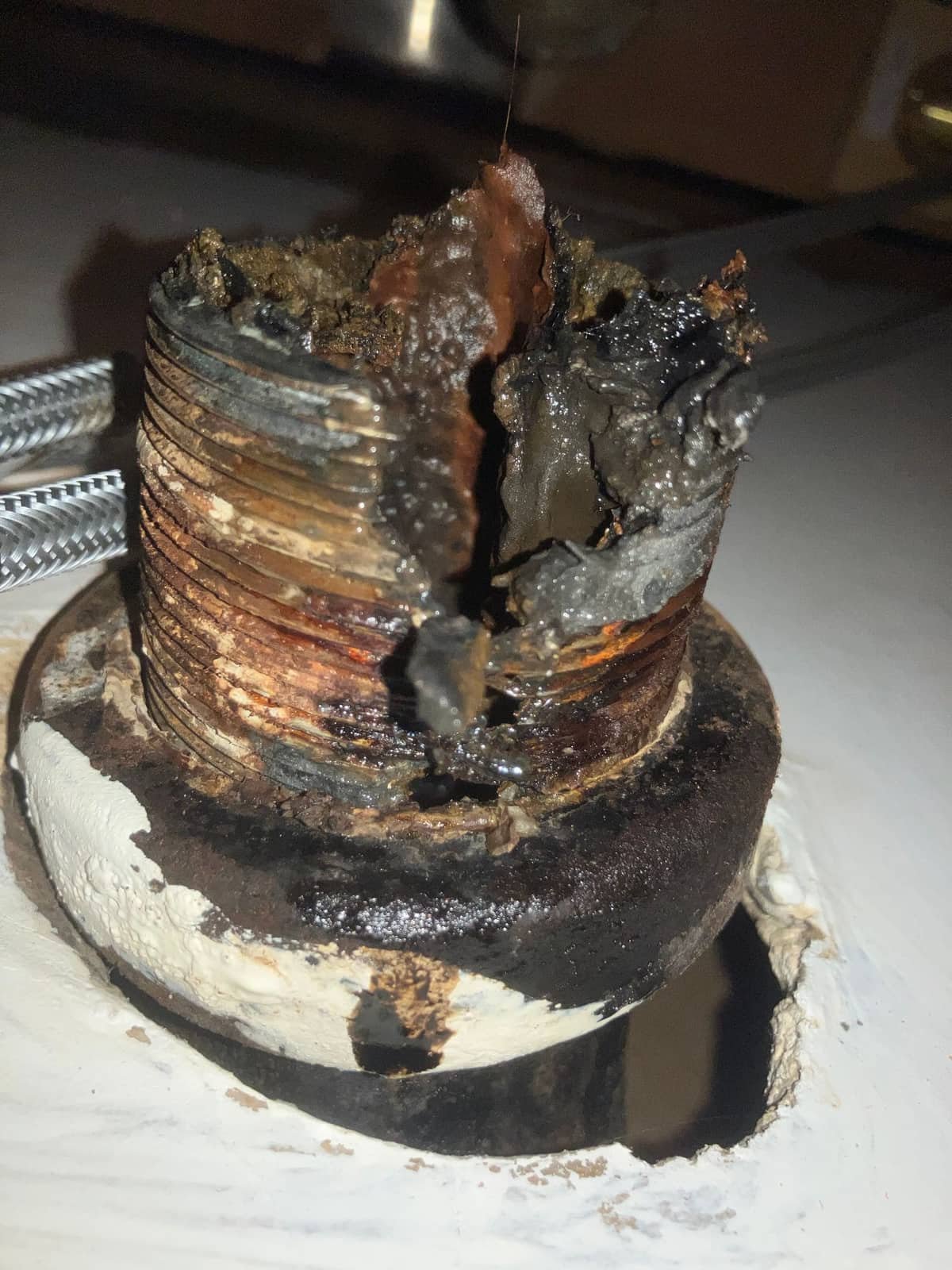
- Rust-colored or discolored water from one or more fixtures, especially when water has been sitting in the lines
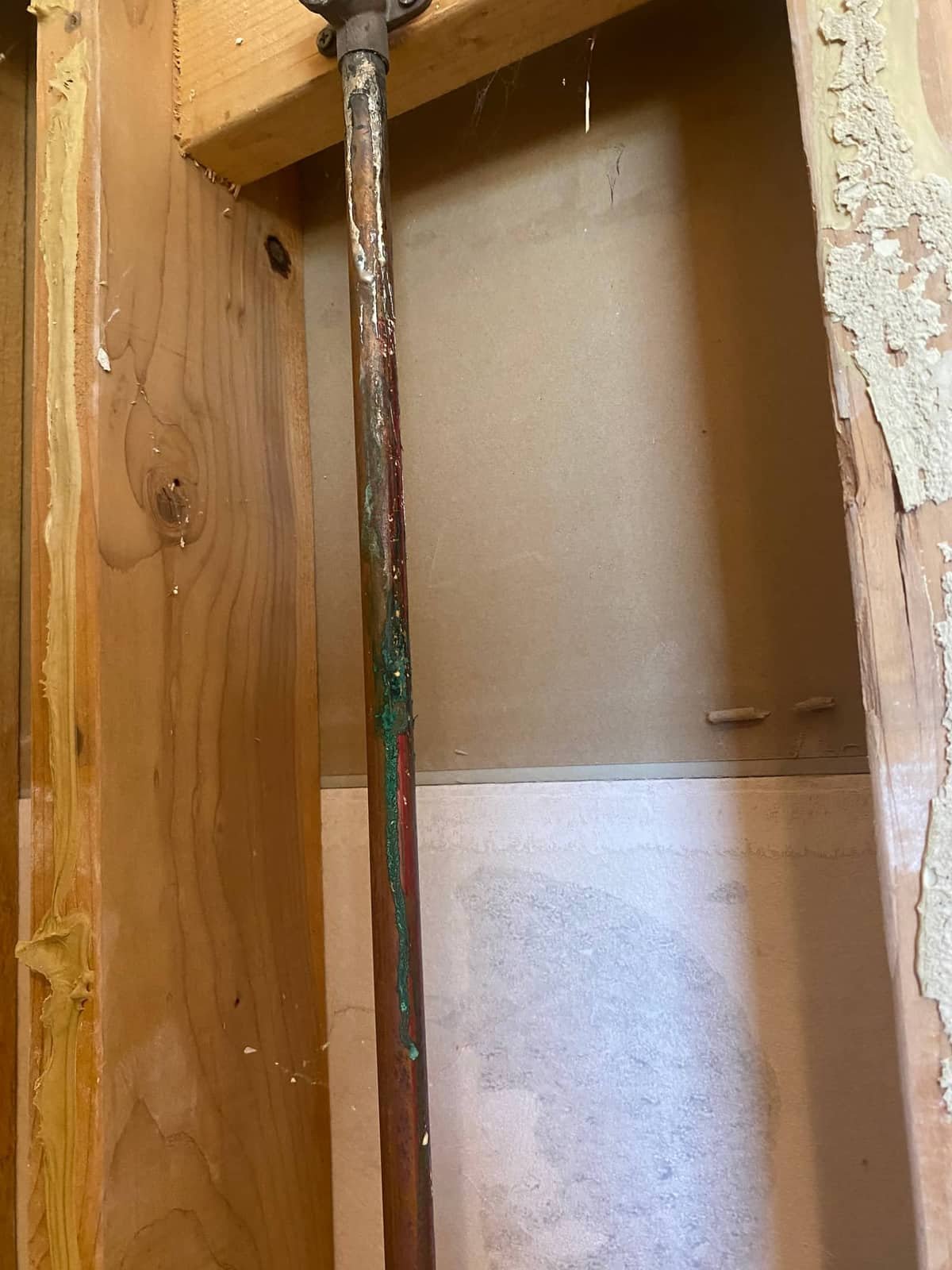
- Recurring pinhole leaks in copper supply lines (often a sign of pinhole corrosion)
- Galvanized supply pipes in homes built before 1990. The interior corrodes and chokes off flow over decades.
- Polybutylene (PB) pipe, often gray or blue plastic with crimped fittings. Failed catastrophically in millions of homes — if you have it, plan for replacement.
- Low water pressure throughout the house when the pressure at the main is fine. Old galvanized is often the culprit.
- Water hammer that won't go away with arrestors
- Multiple plumbing repairs in the past few years that all turned out to be the supply line failing
Residential Repipes Are Usually PEX
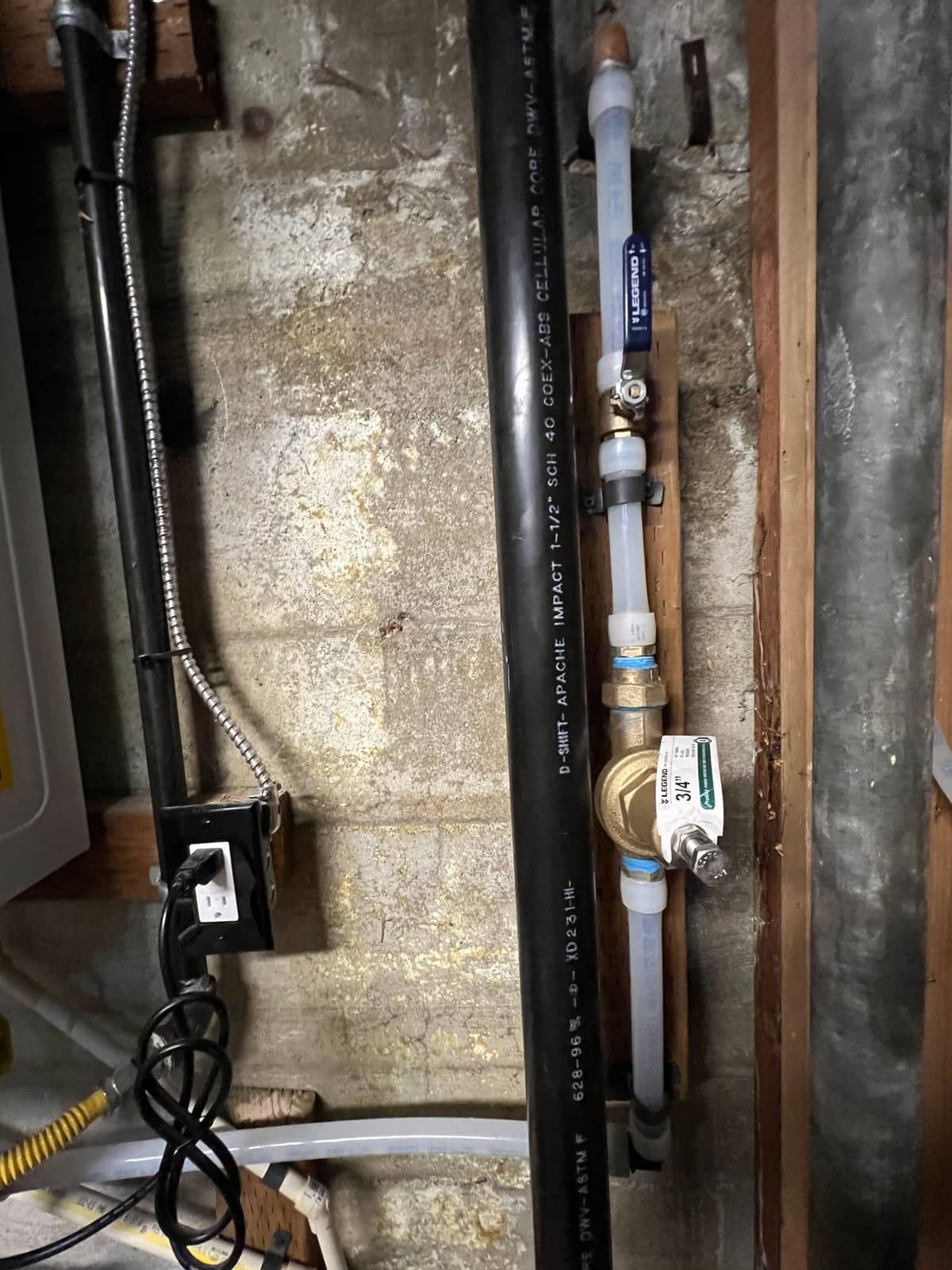
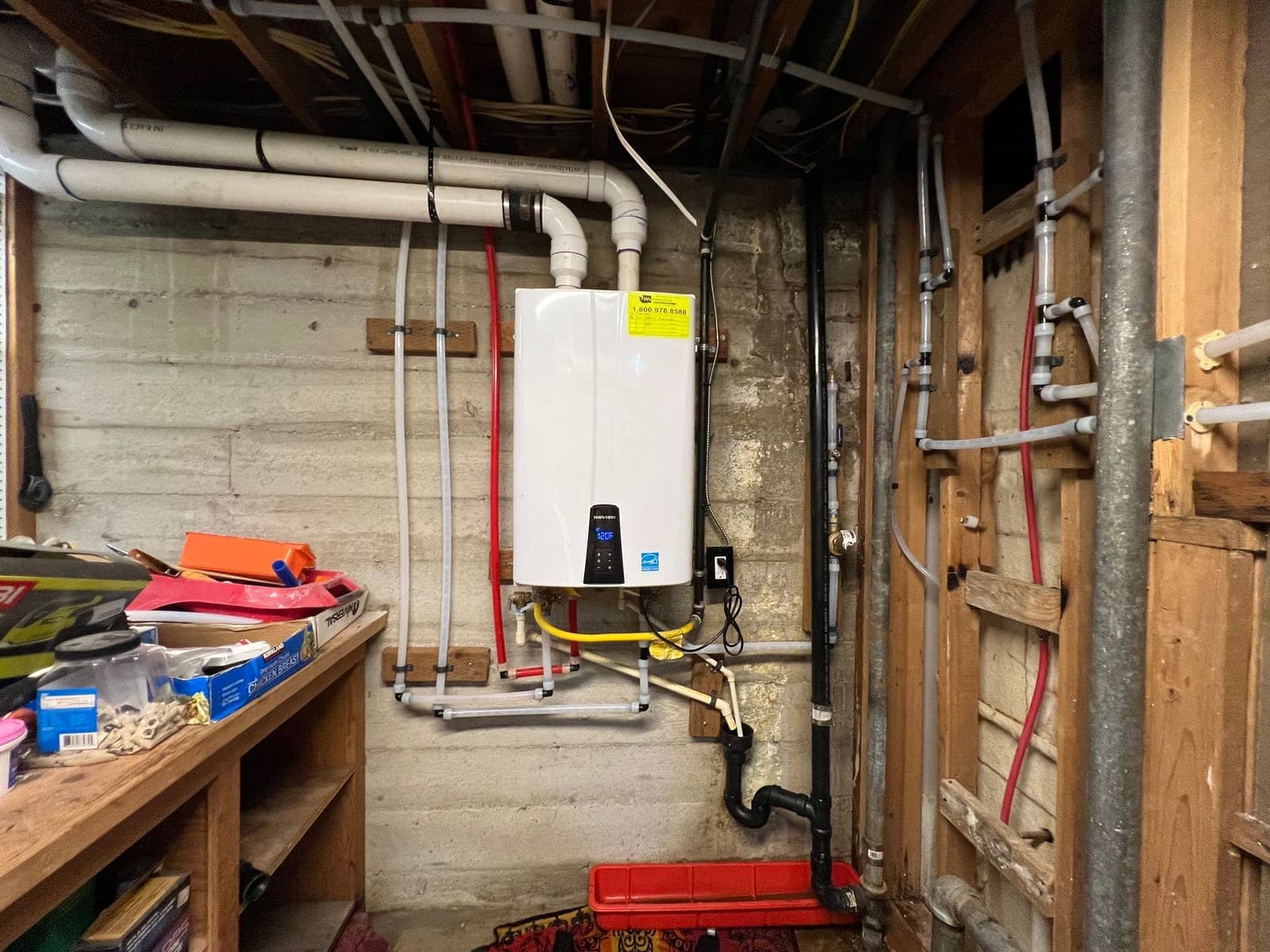
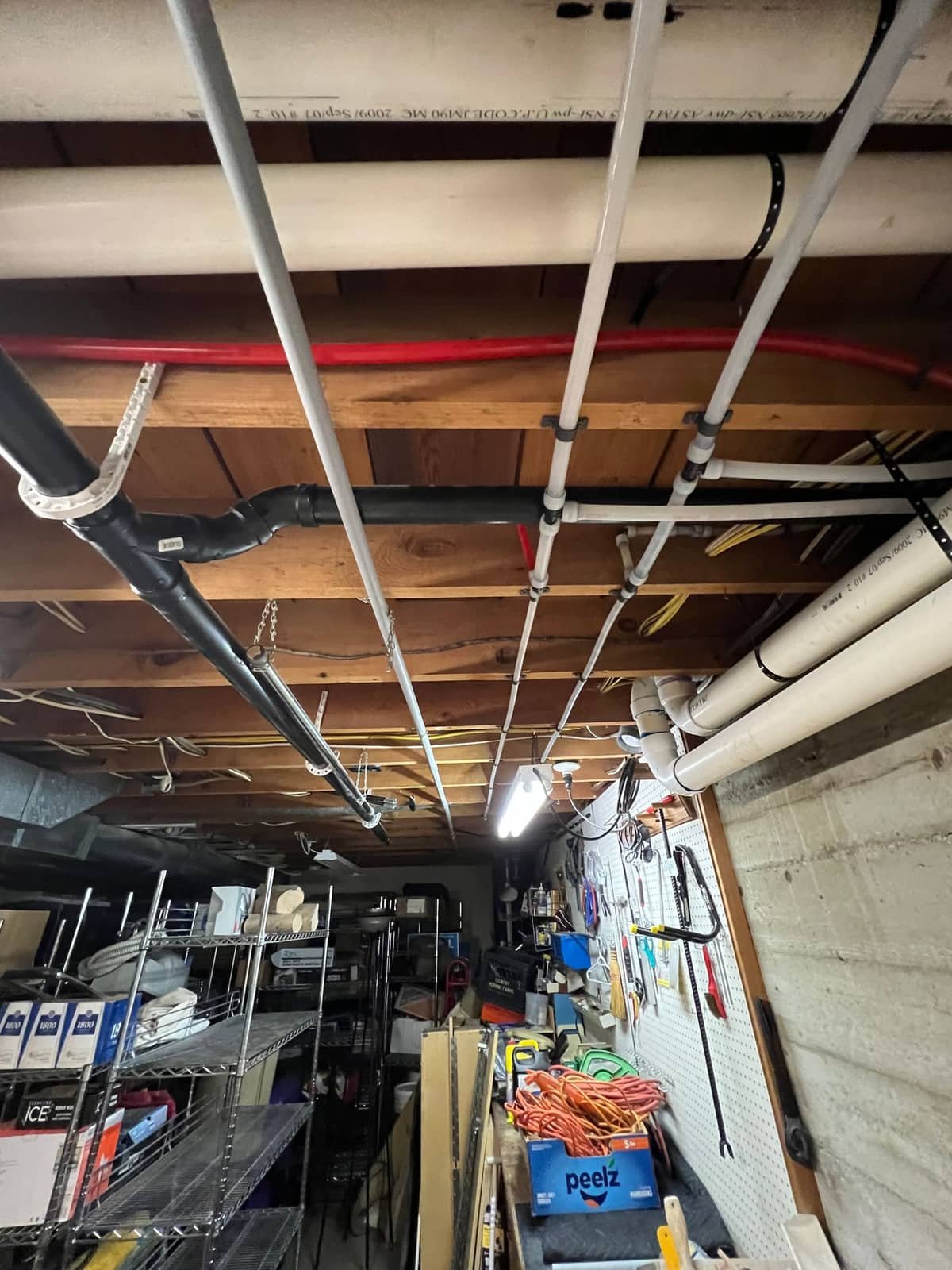
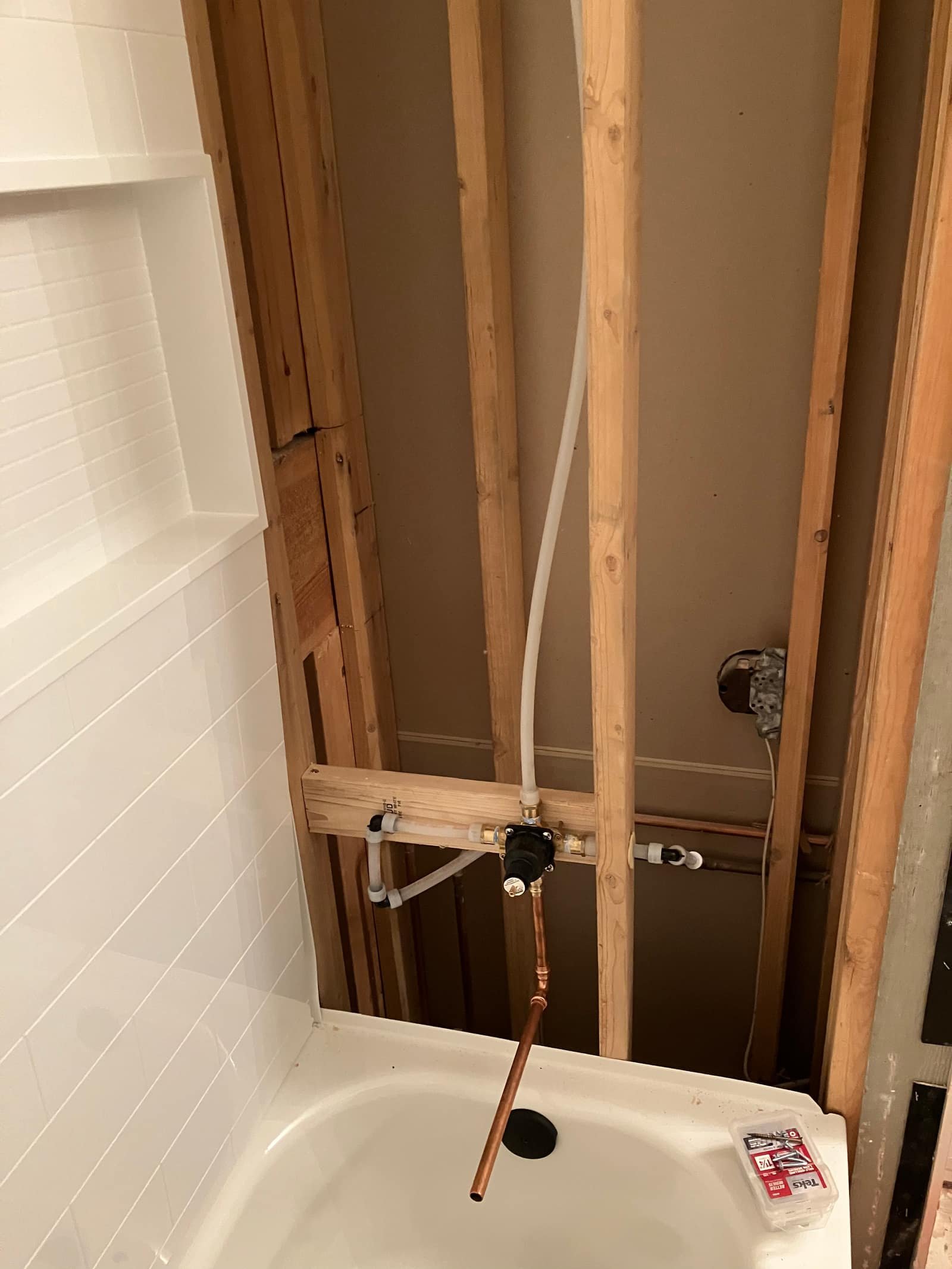
For residential whole-home repipes, PEX is the standard material we recommend. It is code-approved, flexible, less invasive, faster to install, corrosion-resistant, and much more cost-effective than copper for most homes. Service life is rated 50+ years.
Copper is not our standard residential repipe offering because the material and labor cost usually makes it cost-prohibitive. We may consider copper for commercial work, special circumstances, or when a scope specifically requires it, but most homeowners are better served with PEX.
What a Repipe Looks Like
- Free in-home assessment: we walk the home, identify access points, plan strategic wall openings, and quote
- Pull permit, schedule the inspection
- Day 1: Open walls/ceilings strategically, shut off water at the main, run new lines from the manifold or trunk, connect to existing fixture stubs
- Day 2–3: Connect remaining fixtures, install new shutoffs at every fixture, pressure-test, walk the home with you to inspect every connection
- Final inspection by the city/county building department
- Drywall openings are left ready for drywall repair by others. We do not patch, texture-match, or paint drywall unless a separate written scope says otherwise.
Repipe Strategy: Fewer Wall Openings
Modern PEX repipes minimize wall openings. We plan the run path to use existing access such as attic, crawlspace, basement, and mechanical spaces where possible. The goal is fewer openings and less disruption. Drywall repair, texture, and paint are handled by the homeowner or a drywall contractor after the plumbing work is complete.
Water During the Job
We coordinate the schedule so water is restored each evening when at all possible. The day water is fully off is typically just a portion of one work day, not the full duration of the project. We tell you the schedule up front so you can plan around it.
What It Costs
Repipe pricing is one of the larger plumbing investments a homeowner makes. The number depends on:
- Home size (number of bathrooms, fixtures, total run length)
- Total run length and number of fixtures
- Single-story vs. multi-story (multi-story takes more access work)
- Crawlspace, basement, or slab construction
- How many wall openings vs. how much can route through accessible space
- Code-required upgrades (PRV, expansion tank, hose bib backflow, etc.)
- Permit fees in your jurisdiction
We quote flat-rate before any work, walk you through the line items, and offer financing on the full job. Free estimate. No trip charge.
Why Repipe Now Instead of Later
Failing supply pipes do not get better. Galvanized continues to corrode. Polybutylene continues to fail. Copper with pinhole issues continues to leak. Each new leak is a damage event — drywall, flooring, sometimes ceilings below. Repiping proactively is almost always cheaper than fixing four more leaks plus the eventual repipe.